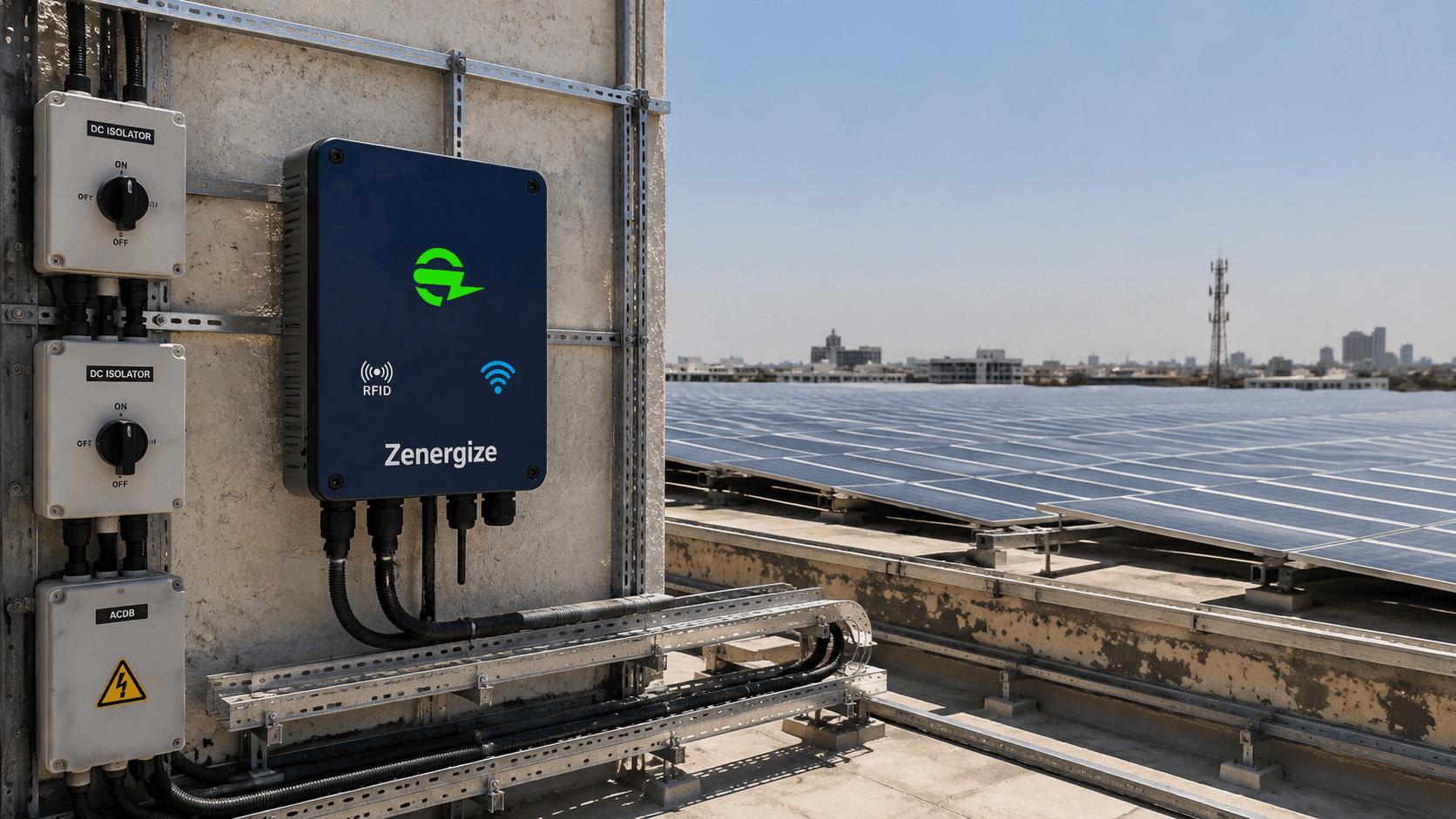
SiC vs IGBT - Which Is Actually Better for Indian Rooftops?

Why Does This Matter?
The component at the heart of every inverter
Every solar inverter has a switching component at its core - the part that converts DC power from your panels into AC power your home can use. For decades, the industry standard was IGBT (Insulated Gate Bipolar Transistor). It works. But it was designed for temperate climates and stable grids - not for 45°C summers and voltage fluctuations.
The IGBT Problem in India
Efficiency drops exactly when it should rise
IGBT inverters lose efficiency as temperatures rise. On a hot May afternoon - exactly when your panels are generating the most - an IGBT inverter is working least efficiently. Efficiency drops of 3–5% are common above 40°C, which translates directly into lost units and lost money over a 25-year system life.
What SiC Does Differently
Faster switching. Lower heat. No derating.
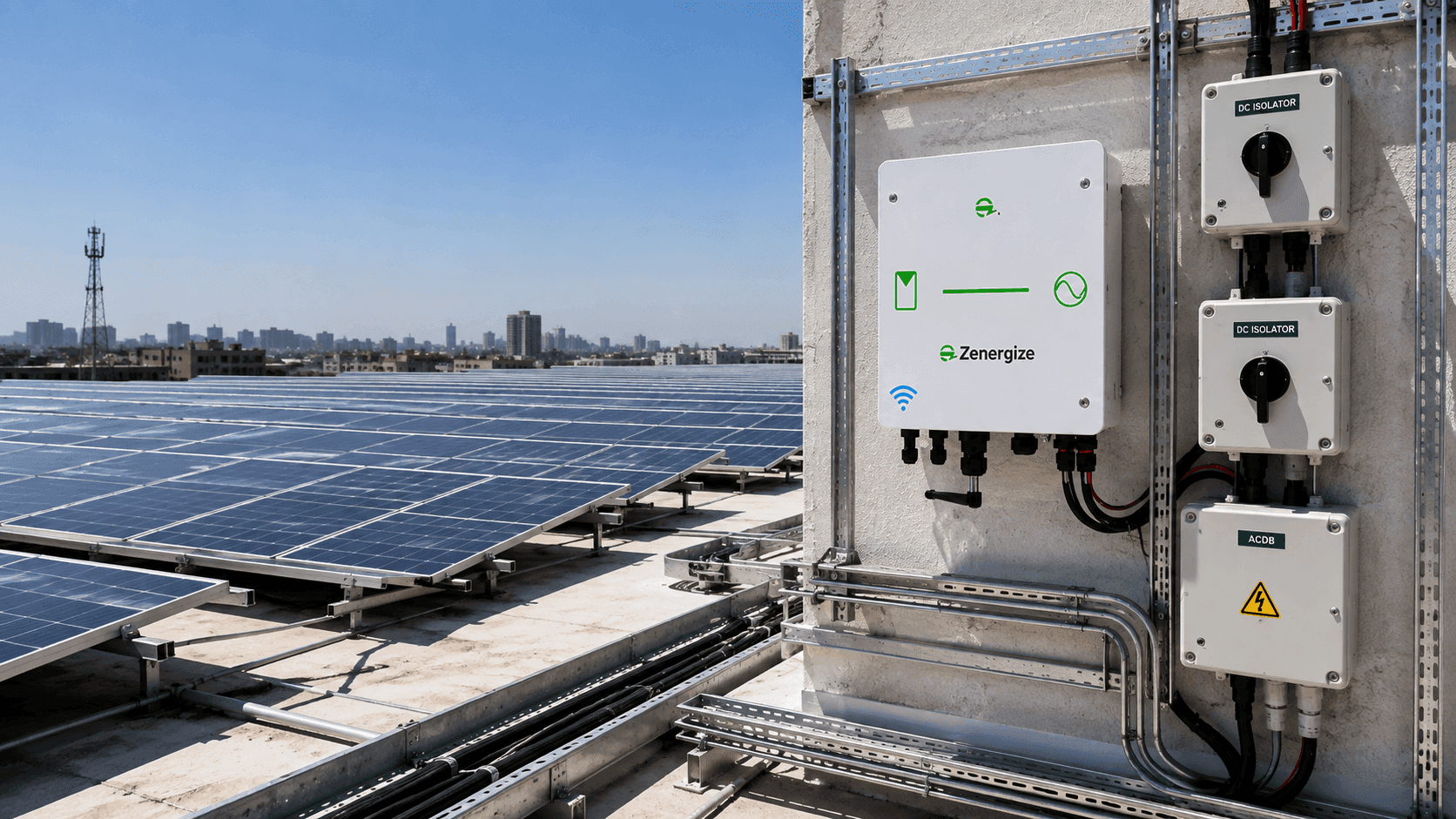
Silicon Carbide switches faster, runs cooler and maintains efficiency at high temperatures. A Zenergize SiC inverter delivers 98%+ efficiency even at 50°C ambient - no derating, no performance cliff. SiC also handles grid fluctuations better, which matters in India where voltage swings are common.
The Bottom Line
Built for the climate it will actually face
If your inverter is going to sit on a rooftop in India for 25 years, it should be built for India. SiC is not a premium add-on - it is the right choice for the climate and grid conditions your system will actually face.
See our SiC inverter range